As of September 15, 2026, Europe’s border rules for visa‑exempt visitors (including U.S. citizens) are changing in two important ways. One change is already in effect (the Entry/Exit System, or EES), and the other is scheduled to begin later this year (the European Travel Information and Authorisation System, or ETIAS). Below is what American travelers need to know now and for upcoming trips.
What’s Changing?
1) Entry/Exit System (EES) — in effect now
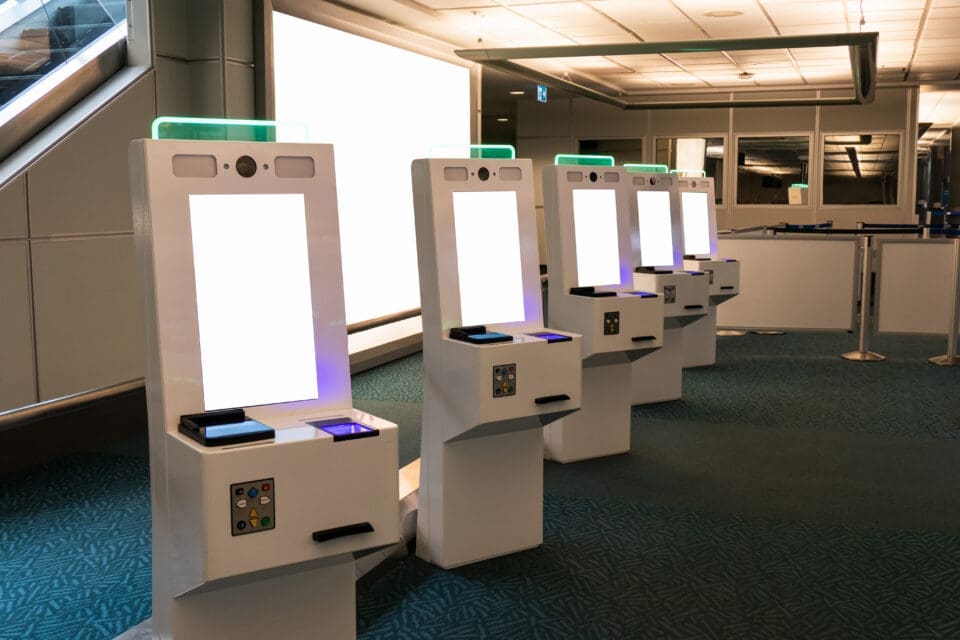
EES digitally records entries and exits of non‑EU nationals traveling for short stays instead of stamping passports. It began with a progressive roll‑out on October 12, 2025 and became fully operational on April 10, 2026. At external Schengen borders you will have your facial image and fingerprints captured the first time you cross after EES went live.
2) European Travel Information and Authorisation System (ETIAS) — starts in late 2026
ETIAS will require visa‑exempt travelers, including U.S. citizens, to obtain a travel authorization online before departing for any of the European countries that will require ETIAS (the Schengen Area plus Cyprus). Carriers are expected to verify ETIAS status before boarding once the system is active.

Application Process and Fees (ETIAS)
- How to apply: Once ETIAS launches, you’ll apply via the official ETIAS website or mobile app. The digital form will request personal details, passport information, and basic travel plans. Most applications are expected to be decided within minutes, though some may take longer if a manual review is needed.
- Fee: €20 for applicants aged 18–70. Applicants under 18 or over 70 are exempt from the fee.
- Validity: Approved ETIAS authorizations will be valid for multiple short‑stay trips for three years or until your passport expires, whichever comes first.
When Do the Changes Take Effect?
- EES: Progressive roll‑out began October 12, 2025; fully operational since April 10, 2026.
- ETIAS: Scheduled to start in the last quarter of 2026. The EU will announce the exact start date several months in advance. Until ETIAS goes live, U.S. travelers do not need an ETIAS authorization.
Implications for American Travelers
- Before departure (once ETIAS launches): Apply for ETIAS in advance of travel and use only the official EU channels (website/app). Keep your passport details consistent between application and travel.
- At the border (now, under EES): Expect biometric capture (face and fingerprints) on your first post‑launch crossing, and digital recording of your entry/exit instead of stamps.
- Trip planning: ETIAS is not a visa and does not change the 90‑days‑in‑any‑180‑day short‑stay rule, but carriers will check for an approved ETIAS once it becomes mandatory.
Final Thoughts
For smooth travel, monitor the official ETIAS site for the exact launch date and apply only through official EU channels when applications open. Be cautious of third‑party websites that charge extra fees or misuse personal data.
Sources
- EU Migration & Home Affairs: Main differences between EES and ETIAS (April 28, 2026)
- EU Migration & Home Affairs: EES fully operational April 10, 2026 (March 30, 2026)
- EU Migration & Home Affairs: ETIAS fee set at €20; exemptions (July 17, 2025)
- Official ETIAS website (Travel to Europe)
- Regulation (EU) 2018/1240 establishing ETIAS (EUR‑Lex)