Barcelona, Spain
82Barcelona is a Mediterranean metropolis where dense streets, beaches, and rail converge in a compact urban fabric. It is modern yet unmistakably local, a city that rewards walking, transit, and late dinners in equal measure—the kind of place where the map feels smaller than the life inside it.
Livability scores
-
Walkability 18 / 20
Central Barcelona locations have Walk Scores near 100 and the city prioritises pedestrian space through single-platform, pedestrian-priority streets and an active urban mobility plan.
-
Rail Connectivity 9.3 / 10
Barcelona is served by multiple Rodalies de Catalunya commuter lines, AVE and long-distance Renfe routes from hubs like Sants and Estació de França, plus the FGC suburban rail network.
-
Public Transit 9 / 10
TMB operates an 8-line, 125 km metro with 165 stations and over 100 bus lines carrying hundreds of millions of trips annually under ATM coordination.
-
Affordability 5.3 / 10
Numbeo shows moderate cost-of-living indices around 59–62 but high rents and property price-to-income ratios above 12, making overall affordability only mid-range.
- Safety 7 / 10
-
Air Quality 6 / 10
Barcelona’s air quality is generally acceptable but PM10 slightly exceeds EU 2030 targets, while NO2 and O3 meet them, reflecting moderate pollution levels.
-
Quality Of Life 8 / 10
Numbeo rates Barcelona’s Quality of Life Index around 145–153 as high, with strong healthcare, climate and commute scores but weaker pollution and housing affordability.
-
Food Culture 10 / 10
Barcelona’s gastronomy is highly rated, with 29 Michelin-starred restaurants and tourism reports scoring local food above 8.7/10, showing a rich, top-tier food scene.
-
Car Free Practicality 9 / 10
Barcelona’s Superblocks and Urban Mobility Plan aim to cut private car trips, expand 300 km of bike lanes and reclaim streets for pedestrians, making car-free living feasible.
Score changes since Sep 2026 · v2026.1 Overall ▲ +1, 6 signals changed
Overall 81 82 (+1) 4 signals improved, 2 declined.
-
Walkability1718+1
Central Barcelona locations have Walk Scores near 100 and the city prioritises pedestrian space through single-platform, pedestrian-priority streets and an active urban mobility plan.
-
Rail Connectivity1314+1
Barcelona is served by multiple Rodalies de Catalunya commuter lines, AVE and long-distance Renfe routes from hubs like Sants and Estació de França, plus the FGC suburban rail network.
-
Affordability118-3
Numbeo shows moderate cost-of-living indices around 59–62 but high rents and property price-to-income ratios above 12, making overall affordability only mid-range.
- Safety67+1
-
Air Quality76-1
Barcelona’s air quality is generally acceptable but PM10 slightly exceeds EU 2030 targets, while NO2 and O3 meet them, reflecting moderate pollution levels.
-
Car Free Practicality89+1
Barcelona’s Superblocks and Urban Mobility Plan aim to cut private car trips, expand 300 km of bike lanes and reclaim streets for pedestrians, making car-free living feasible.
Advantages & drawbacks
Advantages
- Excellent transit and low car dependence
- Rich food, beach, and cultural life
- Large international community and services
Drawbacks
- Housing is expensive for Spain
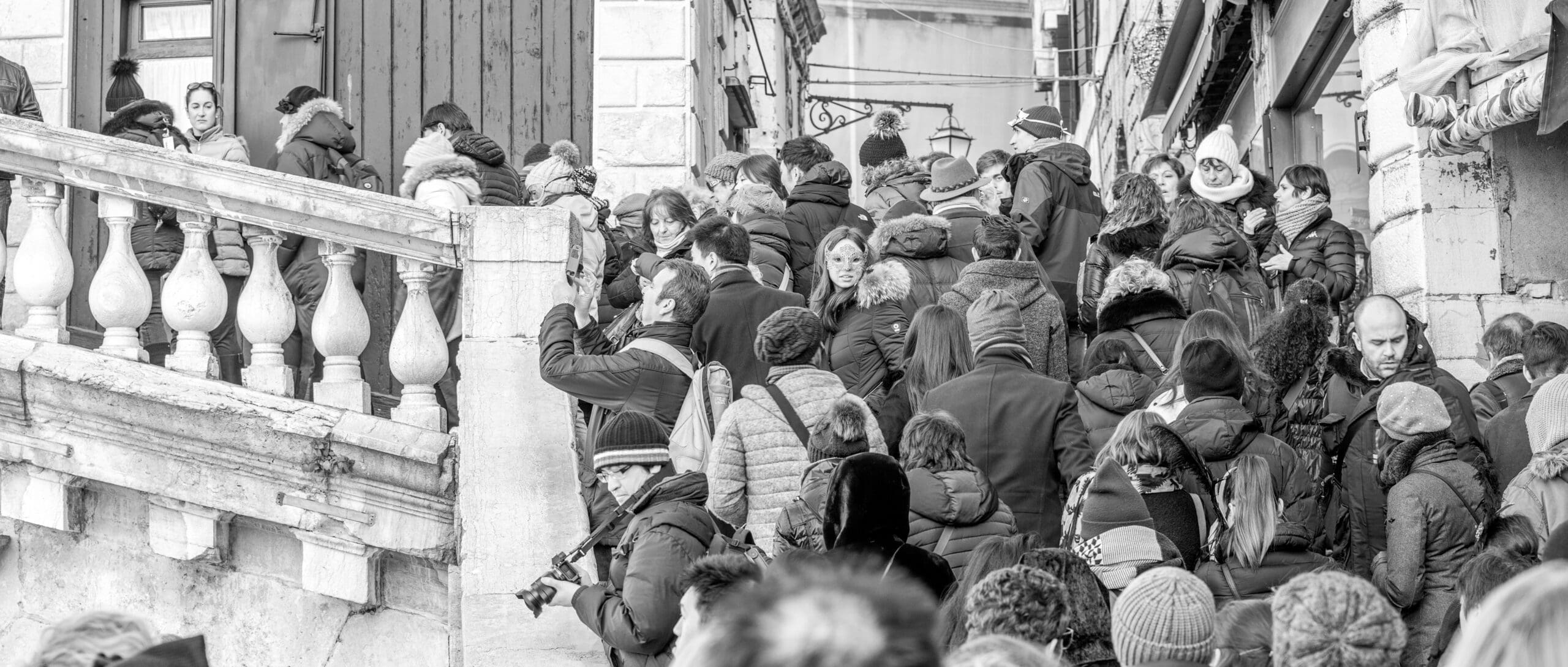
- Tourist pressure in central areas
- Air quality is only middling
Monthly costs
- Estimated monthly cost €2,200 – €3,200
- Monthly transit pass €22
Where expats live
Districts where international residents concentrate. Pins show neighborhood locations; shaded boundaries are approximate.
- Eixample The grid layout, transit access, and abundant apartments make Eixample a default choice for many expats. It is central, walkable, and full of cafes, offices, and daily conveniences. Ajuntament de Barcelona - Eixample district Idealista Barcelona neighborhoods
- Gràcia Gràcia attracts international residents who want a village feel inside the city. Its plazas, independent shops, and strong walkability make it a favorite for younger professionals and couples. Ajuntament de Barcelona - Gru00e0cia district Numbeo Barcelona
- Poblenou Poblenou is popular with remote workers and tech employees thanks to newer housing stock, coworking spaces, and proximity to the beach. It balances a relaxed neighborhood feel with strong city access. Ajuntament de Barcelona - Sant Martu00ed / Poblenou Idealista Barcelona rent
- Sarrià-Sant Gervasi This area draws families and higher-income expats seeking quieter streets, schools, and larger homes. It is less urban in feel, but still well linked by rail and bus. Ajuntament de Barcelona - Sarriu00e0-Sant Gervasi district Idealista Barcelona rent
- El Born / Ciutat Vella El Born is favored by expats who prioritize centrality, nightlife, and a historic core you can cross on foot. It is highly convenient, though busier and more tourist-heavy than the residential districts. Ajuntament de Barcelona - Ciutat Vella district Numbeo Barcelona
Recent stories mentioning Barcelona





Sources
Figures on this page are compiled from the following references. Data is indicative and may change over time.