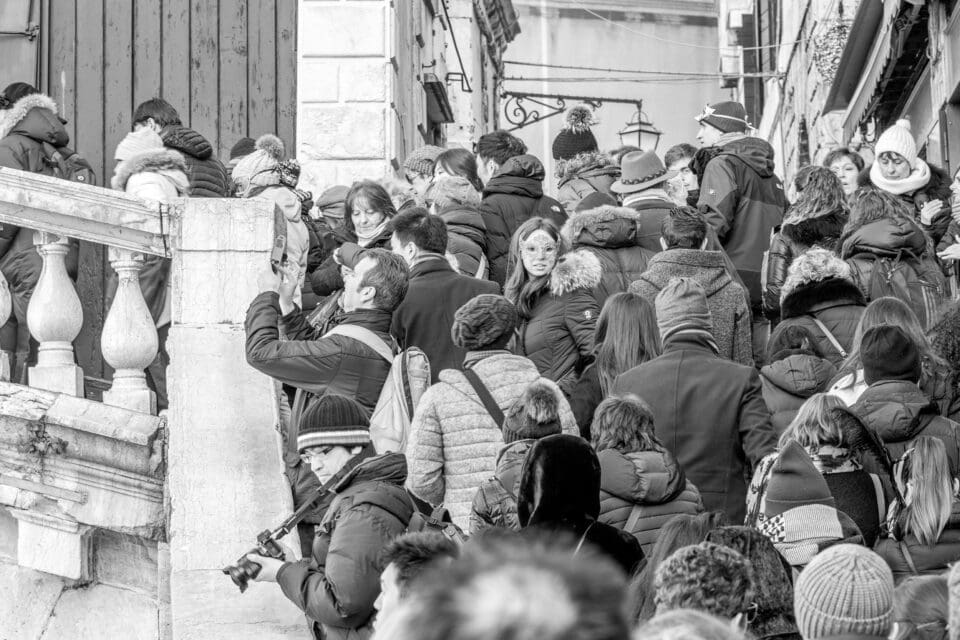
Every summer, millions of travelers head to Europe’s most iconic destinations. August is especially busy, as schools are on break, many Europeans take their annual holidays, and international visitors arrive for peak summer travel.
That popularity can create serious challenges for historic neighborhoods, transportation systems, local businesses, public spaces, and the people who live in these destinations year-round.
The term overtourism describes a situation in which visitor numbers begin to negatively affect local residents, infrastructure, the environment, or the travel experience itself.
This does not necessarily mean travelers should avoid Europe’s most famous destinations. Instead, visitors can make thoughtful choices that reduce pressure on local communities while creating a more enjoyable and meaningful trip.
Here are three of Europe’s most frequently discussed overtourism destinations, along with practical ways to experience them more responsibly.
1. Barcelona, Spain
Barcelona has become one of Europe’s most visible examples of a city trying to balance a thriving tourism economy with the everyday needs of its residents.
The city attracts travelers with its Mediterranean beaches, distinctive neighborhoods, celebrated food scene, and architecture by Antoni Gaudí. Popular attractions such as La Sagrada Família, Park Güell, La Rambla, and La Boqueria Market can become extremely crowded during the summer.
Barcelona officials have increasingly focused on managing tourism rather than simply attracting more visitors. Local measures have addressed issues such as short-term tourist accommodations, crowded public spaces, housing pressure, cruise arrivals, and the distribution of tourism throughout the city.
Why Barcelona Gets So Crowded
- World-famous architecture and cultural attractions
- Mediterranean beaches
- Major cruise ship arrivals
- Strong international air connections
- Compact and highly visited central neighborhoods
- Popularity throughout much of the year
How to Visit Barcelona More Responsibly
- Reserve major attractions in advance and choose an early or late entry time.
- Stay in a properly licensed hotel or accommodation.
- Explore areas beyond La Rambla and the Gothic Quarter.
- Spend time in neighborhoods such as Sant Andreu, Poblenou, or Gràcia.
- Support independent cafés, markets, restaurants, and shops.
- Keep noise to a minimum in residential neighborhoods.
- Use public transportation or walk when practical.
Travelers should not treat lesser-known neighborhoods as replacements for crowded attractions that can simply absorb unlimited visitors. The goal is to explore respectfully, spend money with local businesses, and avoid concentrating an entire trip within a few heavily visited streets.
2. Venice, Italy
Venice is one of the destinations most closely associated with overtourism. Its historic center is compact, its walkways are narrow, and much of the city’s movement is concentrated around a relatively small number of bridges, canals, squares, and landmarks.
Large numbers of day-trippers can arrive within a short period, particularly during the summer and on weekends. This can make areas around St. Mark’s Square, the Rialto Bridge, and the main routes between the railway station and central Venice feel especially congested.
Venice has introduced visitor-management measures intended to better understand and control day-trip traffic on selected high-demand dates. Travelers should check the official City of Venice visitor information before arriving because dates, fees, exemptions, and registration requirements can change.
Why Venice Gets So Crowded
- A compact and fragile historic center
- Large numbers of day visitors
- International recognition as a bucket-list destination
- Limited pedestrian routes through the busiest areas
- High seasonal demand during summer
How to Visit Venice More Responsibly
- Stay overnight instead of visiting for only a few hours.
- Check official access rules before your travel date.
- Visit popular landmarks early in the morning or later in the evening.
- Spend time away from the busiest route between the station, Rialto Bridge, and St. Mark’s Square.
- Do not sit on bridges, block narrow walkways, or stop in busy passageways.
- Support local restaurants, artisans, and independently owned businesses.
- Respect signs, private entrances, churches, and residential spaces.
Spending at least one or two nights in Venice allows travelers to experience the city after many day visitors have departed. It also directs more visitor spending toward local accommodations, restaurants, and evening businesses.
3. Santorini, Greece
Santorini’s whitewashed villages, blue-domed churches, volcanic cliffs, and Aegean Sea views have made it one of the most recognizable destinations in Greece.
The island’s geography and limited infrastructure can make large visitor numbers particularly noticeable. During the summer, cruise passengers, overnight guests, tour groups, rental vehicles, and buses may all converge on the same small communities.
Oia is especially popular around sunset, when visitors gather along narrow paths and viewpoints. Fira, the island’s main town, can also become congested during peak arrival periods.
Why Santorini Gets So Crowded
- Heavy summer demand
- Cruise ship arrivals
- Limited road and transportation infrastructure
- Concentrated sunset viewing in Oia
- Strong visibility across travel and social media
- A relatively small number of famous villages and viewpoints
How to Visit Santorini More Responsibly
- Consider staying overnight rather than visiting only as part of a cruise excursion.
- Travel outside July and August when your schedule allows.
- Visit Oia earlier in the day instead of arriving only for sunset.
- Explore villages such as Pyrgos, Megalochori, or Emporio.
- Visit local wineries, archaeological sites, and less crowded beaches.
- Use local buses, shared transfers, or walking routes where practical.
- Avoid entering private rooftops, terraces, or residential property for photographs.
Travelers should remember that many of Santorini’s most photogenic buildings are private homes, hotels, churches, or businesses. A beautiful view is not an invitation to climb onto someone’s roof or enter a restricted area.
Other European Destinations Experiencing Tourism Pressure
Barcelona, Venice, and Santorini are not the only European destinations dealing with heavy visitor numbers. Tourism pressure can also affect major cities, historic towns, islands, and environmentally sensitive areas.
- Amsterdam, Netherlands: The city has taken steps to address crowding, disruptive behavior, and pressure on its historic center.
- Dubrovnik, Croatia: Its compact walled city can become heavily congested when cruise passengers and tour groups arrive at similar times.
- Lisbon, Portugal: Growing tourism has contributed to debates involving housing, neighborhood change, and short-term rentals.
- Hallstatt, Austria: The small lakeside village receives a high number of visitors relative to its resident population.
- Florence, Italy: The historic center can feel intensely crowded during peak summer travel periods.
- Majorca, Spain: Residents and officials have raised concerns related to visitor numbers, housing, natural resources, and seasonal congestion.
Is August the Busiest Time to Visit Europe?
August is one of the busiest months for travel across much of Europe, particularly in coastal destinations, island communities, and major cultural cities.
Families often travel during school vacations, international visitors arrive for summer holidays, and many Europeans take time off during July and August. This combination can lead to higher accommodation prices, crowded attractions, limited restaurant availability, and heavier demand for trains, ferries, and flights.
However, August is not equally busy everywhere. Some large business-focused cities may feel quieter when local residents leave for vacation, while beaches, islands, resort towns, and famous historic centers become significantly busier.
Travelers who want warm weather with fewer crowds may find a better balance in late May, June, September, or early October, depending on the destination.
How to Avoid the Worst Crowds in Europe
You do not have to abandon Europe’s most famous destinations to have a comfortable trip. A few planning decisions can make a noticeable difference.
Travel During the Shoulder Season
Late spring and early fall often provide pleasant weather with fewer visitors than the peak months of July and August. Prices may also be lower, although popular destinations can still be busy.
Stay Overnight
Destinations often feel very different before day-trippers arrive and after they leave. Staying overnight gives you access to quieter mornings and evenings while contributing more to the local economy.
Reserve Major Attractions in Advance
Timed-entry tickets can reduce the amount of time you spend waiting in crowded lines. Always purchase tickets through an official attraction website or a clearly authorized seller.
Start Early or Stay Out Later
Many famous landmarks are busiest from late morning through the afternoon. Early mornings and evenings can provide a calmer experience, especially in destinations that receive large numbers of day visitors.
Do Not Treat Residential Areas Like Attractions
Exploring beyond the main tourist district can be rewarding, but quieter neighborhoods are still places where people live, work, sleep, and raise families. Keep noise down, avoid photographing residents without permission, and never enter private property.
Support Local Businesses
Choose neighborhood restaurants, independent shops, local guides, markets, and locally produced goods when possible. Spending thoughtfully helps tourism provide more direct benefits to the community.
Does Overtourism Mean You Should Stay Away?
Not necessarily.
Tourism supports jobs, restaurants, hotels, guides, transportation providers, museums, and small businesses throughout Europe. The challenge is finding a balance that allows visitors to enjoy a destination without overwhelming the people, infrastructure, and natural resources that make it special.
Responsible travel is not about feeling guilty for taking a vacation. It is about recognizing that destinations are communities rather than backdrops created solely for visitors.
By staying longer, traveling outside peak periods, following local rules, supporting local businesses, and treating residential areas with respect, travelers can help reduce some of the negative effects associated with overtourism.
Final Thoughts
Barcelona, Venice, and Santorini are popular for good reason. Each offers remarkable architecture, history, scenery, food, and culture.
However, visiting during the peak summer season requires extra planning. August travelers should expect larger crowds, higher demand, and restrictions or visitor-management measures in certain destinations.
You do not have to skip Europe’s most iconic places. Visit them with realistic expectations, plan ahead, spend thoughtfully, and remember that the best travel experiences often happen beyond the busiest landmark or most photographed viewpoint.
Sources and Further Reading
This article was independently written using publicly available information and reporting concerning tourism management and overtourism in Europe. Travelers should verify current fees, restrictions, reservation requirements, transportation schedules, and accommodation rules through official destination websites before booking or traveling.
- Barcelona City Council tourism and housing information
- Official City of Venice visitor access information
- Greek national and local tourism information
- UNESCO World Heritage Centre
- European Travel Commission
- Reporting from Reuters, The Associated Press, The Guardian, and The New York Times
Editor’s note: Tourism policies can change. Always consult official government and destination websites for the most current information before traveling.


