British food varies significantly across England, Scotland, and Wales, with shared staples like fish and chips, pies, sausages, and pub meals taking on distinct regional forms in each country. Travelers are encouraged to look beyond famous dishes and seek out local producers, markets, farm shops, and bakeries to better understand each area’s food culture.
Key regional highlights include English Sunday roasts, pasties, and Full English breakfasts; Scottish haggis, Cullen skink, smoked fish, and cranachan; and Welsh cawl, Welsh rarebit, laverbread, and local lamb. Drinks, including Somerset cider, Scottish whisky, and Welsh gin, are also framed as part of the regional food experience.
One of the best parts of eating your way around Britain is how quickly the food changes from one place to the next.
England, Scotland and Wales share plenty of foods, especially when it comes to pubs, pies, sausages, roast dinners, seafood and baking. But travel between them and the foods worth looking for begin to change pretty quickly.
I’m currently spending an extended period in England, where I’ve been using pubs, markets, bakeries, farm shops and local producers as a way to get to know the food beyond the usual tourist checklist. That’s also changed the way I think about a wider trip around Britain: I’d rather eat something connected to where I am than order the same famous British dish in every city.
This guide is the starting point. It covers what I’d prioritize across Britain, how the three countries differ and which food experiences are worth building into a trip. The individual country guides go much deeper.
Short Version: What I’d Eat on a First Trip Around Britain
I’d have a proper pub meal, fish and chips, a Sunday roast, regional cheese, something from a bakery and at least one traditional pudding. In England, I’d add a Full English breakfast and a regional pie or sausage. In Scotland, I’d make room for smoked fish or seafood, a Scottish bakery stop and, if you’re the adventurous type, a proper taste of haggis. In Wales, I’d look for cawl, Welsh rarebit, Welsh cakes and whatever local lamb, cheese or seafood is available where I’m traveling.
First, Britain and the UK Aren’t Quite the Same Thing
For this guide, Britain means England, Scotland and Wales.
Northern Ireland is part of the United Kingdom, but not Great Britain, so I’m keeping it out of this particular guide rather than mixing four different food cultures under the wrong geographic label.
Northern Irish food deserves its own treatment, particularly once you get into the Ulster Fry, soda farls, potato bread and the foods that overlap with the wider island of Ireland.
British Food Isn’t One Cuisine
There are foods you’ll encounter across much of Britain. Fish and chips, roast dinners, pies, sausages, pub food, cheese, puddings and baked goods don’t stop at a national border.
What changes is what goes into them, what they’re called, what they’re served with and which dishes have a particularly strong connection to one place.
That’s the part I’d pay attention to while traveling. Have the famous dishes, but don’t spend a week moving through Britain ordering exactly the same meal everywhere you go.
What to Eat in England

I’m currently spending most of my time in England, which has given me the chance to get well beyond the foods I already knew before arriving. Pubs, markets, bakeries, farm shops and local producers have become as important to me as the famous dishes, and I’m finding more to add to this list the longer I’m here.
For a first visit, I’d make room for a Sunday roast, fish and chips, a Full English breakfast, a good pub meal, regional cheese, afternoon tea or cream tea, something from a bakery and at least one traditional pudding.
England gets a lot more interesting when you start eating your way around it. Living in Bath has put Somerset cider and cheese high on my list, while Cornwall means pasties and seafood, Yorkshire brings Sunday roasts, Yorkshire pudding and great baking, and Cumbria is where I’d go for Cumberland sausage and a proper countryside pub experience.
Go Deeper: What to Eat in England: A First-Time Visitor’s Food Guide
What to Eat in Scotland
If I’m traveling from England into Scotland, I’m changing what I’m looking for on the menu too.
Haggis gets most of the attention, but Scotland gives you plenty more to look for: soups, meat pies, sausages, seafood, smoked fish, baking and desserts. And if you’re up for it, I’d still try the haggis.
| What I’d Look For | Why It Belongs on the List |
|---|---|
| Haggis | The famous Scottish dish to put on the list if you’re an adventurous eater. I’d try it somewhere that takes it seriously rather than somewhere treating it as a tourist novelty. |
| Cullen Skink | A creamy smoked haddock, potato and onion soup with roots in Cullen in northeast Scotland. |
| Scotch Pie | A small, sturdy meat pie that gives you a very different pie experience from an English steak and ale pie. |
| Lorne Sausage | The square sausage you’ll often come across at breakfast or in a roll. |
| Scottish Seafood | Something I’d move much higher on the list when traveling along the coast or islands. |
| Arbroath Smokie | Hot-smoked haddock strongly associated with Arbroath and nearby Auchmithie. |
| Cranachan | A traditional dessert built around raspberries, oats, cream, honey and whisky. |
| Scottish Baking | Shortbread is the familiar name, but I’d also look for regional breads, bannocks, butteries and whatever the local bakery is known for. |
What to Eat in Wales
Wales has a lot more going on than Welsh rarebit and Welsh cakes, even though I’d happily try both. I’d also make room for Welsh lamb and cheese, coastal seafood, laverbread and cawl, while keeping an eye out for regional specialties at bakeries, pubs and markets along the way.
| What I’d Look For | What to Know |
|---|---|
| Cawl | A traditional Welsh soup or stew that varies by household and region, often made with meat and vegetables. |
| Welsh Rarebit | Much more than plain cheese on toast, with cheese, seasoning and often ale worked into the topping. |
| Welsh Cakes | Small griddle-cooked cakes I’d look for at bakeries and markets rather than treating only as a packaged souvenir. |
| Bara Brith | A traditional fruit loaf made with tea. |
| Glamorgan Sausages | A traditional meat-free sausage made with cheese, leek and breadcrumbs. |
| Laverbread | Cooked seaweed associated with Welsh coastal food, particularly South Wales. |
| Welsh Lamb | One of the ingredients I’d pay attention to on pub and restaurant menus. |
| Welsh Seafood | Especially worth looking for along the coast, including mussels, oysters, crab and locally landed fish. |
Wales is another place where I’d let geography make some of the decisions. A coastal trip should look different from a few days inland, and a farmers’ market or local bakery may be every bit as useful as a restaurant reservation.

Foods You’ll Find Across Britain
You’ll find plenty of overlap as you travel, with many dishes taking on their own regional variations along the way.
Fish and Chips
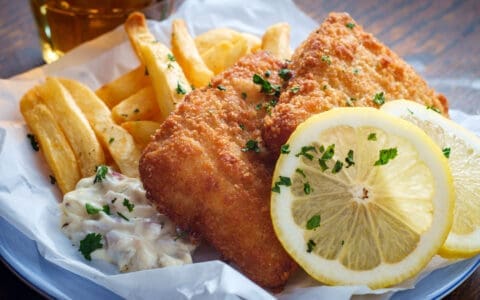
Fish and chips is easy to find across Britain, but where you order it can make all the difference. Near the coast, I’d skip the hotel version and look for a busy independent chippy, a harbor-side takeaway or somewhere using locally landed fish.
Pies and Savory Pastry

Britain takes pastry seriously, especially when there’s meat or cheese involved. In England, look for Cornish pasties, Melton Mowbray pork pies and pub classics like steak and ale pie. Scotland brings Scotch pies and bridies, while sausage rolls are everywhere and remain one of my personal favorites.
Want the food side? Foodie & Wine’s British Pies and Pasties Guide goes deeper into the individual styles.
Sausages
Sausages are another food where it’s worth paying attention to what you’re actually ordering. Cumberland and Lincolnshire are two of the better-known English styles, Scotland has Lorne sausage, and Wales has Glamorgan sausages made with cheese and leeks. If a pub or café names the local butcher or tells you where its sausages come from, that’s usually the one I’d order.
Cheese
Cheese is one of the best ways to explore Britain’s regional food traditions. I tend to look for what’s made nearby, whether that’s at a farm shop, cheesemonger, market or on a pub cheese board.
Puddings and Baking
Baking is another good reason to leave some room in the schedule for cafés and bakeries rather than eating every meal in a restaurant.
Across Britain you’ll find sticky toffee pudding, crumbles and plenty of regional cakes and buns. Scotland adds shortbread, cranachan, Dundee cake, tablet and regional breads, while Wales brings Welsh cakes and bara brith into the mix.
I don’t go out of my way to try every famous dessert. If a bakery has a regional specialty I haven’t come across before, that’s usually what I’ll order.

Pubs Are Useful, but Don’t Make Them Your Only Food Stop
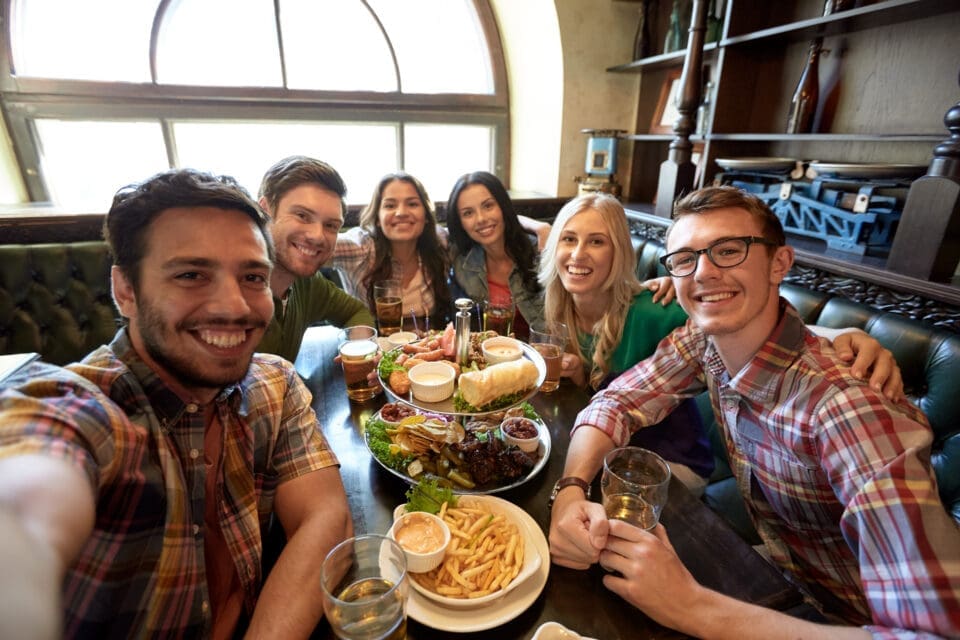
Pubs are one of the easiest places to encounter traditional food while traveling around Britain, but they aren’t the entire food story. I’d mix them with markets, farm shops, bakeries, butcher shops, cheesemongers and coastal seafood stops.
| Where I’d Stop | What I’m Looking For |
|---|---|
| Pub | Regional dishes, local beer or cider, pies, sausages and Sunday lunch |
| Market | Several small producers in one stop |
| Farm Shop | Cheese, meat, preserves, produce, drinks and regional specialties |
| Bakery | Regional breads, buns, cakes, pies and savory pastry |
| Butcher | Sausages, pies and prepared local foods |
| Cheesemonger | Cheese actually made in the region |
| Harbor or Seafood Stall | Whatever is local and in season |
One of the things I’ve enjoyed while living in England is leaving enough room in the day to stop somewhere simply because it looks interesting. The same approach works on a longer trip through Scotland or Wales: leave enough room for a place you didn’t plan on finding.
Drink What’s Local Too

The same rule I use for food works pretty well for drinks: see what’s made nearby before defaulting to what you’d order at home.
Being based in Bath has put Somerset cider right on my doorstep, and it has become one of my go-to choices with pub food. Elsewhere in England, cask ale and English wine can be part of the experience.
Scotland adds whisky to the obvious list, along with local beer and other distilling. Wales has its own whisky, beer, cider, gin and growing group of small producers.
You don’t need to turn every meal into a formal pairing. Sometimes the most useful question is simply, “What’s local?”
If you want the detailed pairing side: Foodie & Wine has a full collection of wine and food pairing guides.
Don’t Spend the Entire Trip Eating “Traditional British Food”
I like seeking out the old dishes, but they only show you part of how Britain eats today.
Modern British food has been shaped by generations of migration, international trade and communities from around the world. Curry houses, Caribbean restaurants, Italian cafés, kebab shops, Polish bakeries and restaurants representing cuisines from across Asia, Africa, Europe and the Middle East are part of everyday food life.
That matters on a trip because some cities are as interesting for those food traditions as they are for the older dishes associated with Britain. I’d make time for both. A great pub meal and a good curry are two very different parts of the British food experience.
Where I’d Start a Food-Focused Trip Around Britain
A food-focused trip around Britain works best when it combines places that offer completely different experiences.
England: London Plus Somewhere Outside London
London gives you historic pubs, markets, restaurants, bakeries and one of Britain’s most diverse food scenes. It’s an easy starting point, especially when paired with somewhere that offers a completely different experience.
That might mean Bath and Somerset for cider, cheese, farm shops and pubs; Cornwall for seafood and pasties; Yorkshire for pubs, regional baking and Sunday lunch; or Cumbria for sausages, countryside and village food stops.
Start Here: What to Eat in England
Scotland: City Plus Coast or Countryside
Edinburgh or Glasgow gives you an easy introduction to Scottish restaurants, pubs and bakeries, but it’s worth spending part of the trip outside the city too.
Seafood, smoked fish, whisky, local producers and regional baking become much more interesting once the food is connected to the landscape you’re traveling through.
Wales: City Plus Coast or Countryside
Cardiff can introduce you to contemporary Welsh food, while a trip that also reaches the coast, market towns or countryside opens up more opportunities to discover local lamb, cheese, seafood, baking and producers.
British Food Terms American Visitors Will See
A few words are worth knowing before the menu arrives.
| In Britain | For Americans |
|---|---|
| Chips | French fries, generally thicker |
| Crisps | Potato chips |
| Mince | Ground meat |
| Pudding | Can mean dessert generally or a particular sweet or savory dish |
| Takeaway | Takeout |
| Full Breakfast | The exact components change by country, so a Full English and Full Scottish aren’t the same plate |
Want to Go Deeper Into the Food?
Cleared for Departure covers where to find these foods, how they fit into a trip and which local food experiences are worth making room for. Foodie & Wine handles the kitchen side, including the dishes themselves, recipes, cooking guides and pairings.
- Ultimate British Food Guide — the deeper guide to Britain’s dishes, ingredients and food traditions
- Ultimate Guide to English Food — England’s regions, dishes and culinary traditions
- Traditional English Recipes — recipes I’m making and testing at home
- British Pub Food Guide — the dishes you’ll encounter on pub menus
- British Pies and Pasties Guide — pies, pasties, sausage rolls and regional styles